Vanlige spørsmål om bukplastikk
Hva er bukplastikk?
Bukplastikk er ett alternativ for deg som opplever ubehag med overflødig hud på magen, som du ikke klarer å bli kvitt ved slanking eller trening. For mange kvinner og menn, kan overflødig hud føre til sjenanse og ubehag. Dr. Alexander Vigen svarer på spørsmål – Om Bukplastikk i dette innlegget.
Fett kan trenes bort, men ikke hudoverskudd
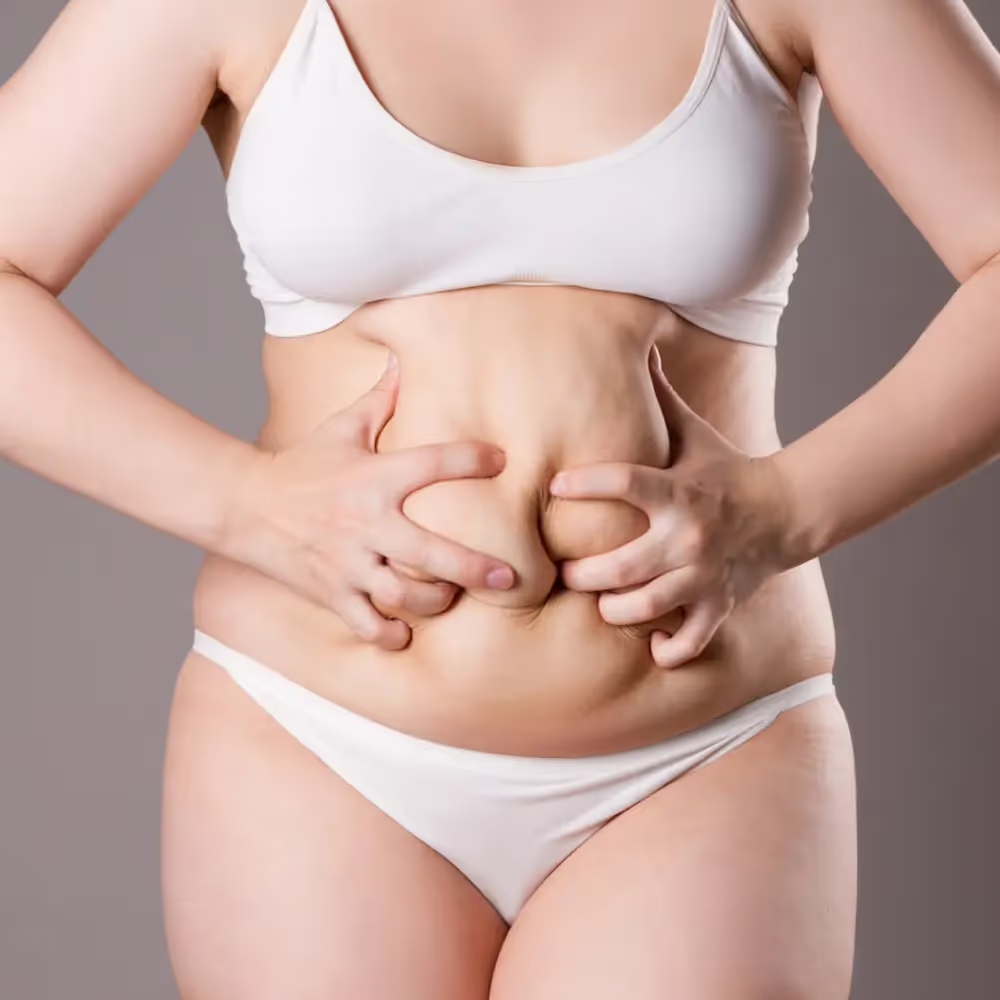
Om du har vært overvektig kan det være at du har fått en så kraftig vektnedgang, at du har fått et hud- og fettforkle. Når dette henger over buksekanten kan dette være plagsomt. Det du skal vite er at du kan trene bort fett, men hudoverskuddet klarer du ikke å bli kvitt ved trening. For enkelte kan også dette området være svært vanskelig å trene. I slike tilfeller kan bukplastikk eller en mageoperasjon være en god løsning.
Hvordan utføres en bukplastikk / mageoperasjon?
Ved en bukplastikk (også kalt mageplastikk og “tummy tuck”) fjerner vi hudoverskudd på magen og strammer huden. Dersom det er et behov og ønske om det fettsuger vi midjen. Om hudens elastisitet er bevart og ikke for hengende, kan vi løse behovet ved fettsuging alene. Dette kan trekke huden noe tilbake.
Ved mye hudoverskudd må det korrigeres ved en full eller mini bukplastikk, for å få en stram mage og få frem en form og underliggende kontur. Årsakene til hudoverskudd kan være flere;
- Dersom hudoverskuddet kommer etter vekttap.
- Graviditet
- Eller alderdom slik at hudens elastitet har begynt å avta.
- Det kan også være en kombinasjon av flere faktorer som spiller inn.
Hva skjer under en graviditet?
Ved svangerskap går magemusklene til siden, og trekkes ikke alltid sammen igjen etterpå. Hos kvinner som har født flere barn kan man ofte ha rectusdiastase («splittede magemuskler«) som kan gi en slapp bukvegg som man ikke får trent opp igjen. Og manglende støtte av bukveggen foran som i enkelte tilfeller gir ryggsmerter. Det fine i dag er at man kan korrigere ved å sy magemusklene sammen igjen («rafing»).
Vanlige spørsmål om bukplastikk
Hva er egentlig bukplastikk, og hvem er kandidat for operasjonen?
-Bukplastikk er en operasjon som egner seg for de som har hudoverskudd på magen, ofte etter å ha gått mye ned i vekt eller etter fødsler. Huden på magen kan da bli slapp og løs, og i noen tilfeller henge over buksekanten. Dette kanvgi plager i form av gnissing og eksem.
Om det er mindre hudoverskudd, særlig i nedre del for eksempel etter fødsel – er ofte en minibukplastikk det beste alternativet. Da fjernes hud i nedre del, arret legges under buksekanten. Ofte kombinerer vi inngrepene med fettsuging av magen og midje for å oppnå en bedre kontur.
Hva er splittede magemuskler?
Noen har en tilstand som heter rektusdiastase, eller «splittede magemuskler». Når livmoren utvider seg under graviditet går magemusklene til side, som regel går disse sammen igjen etter fødsel. Men hos noen går de ikke helt sammen, særlig etter flere fødsler eller tvillinger. Man kan da få ryggplager og en følelse av manglende støtte på fremsiden.
Splittede magemuskler kjenner man godt dersom man ligger på ryggen og tar situps. Man kan da kjenne etter, når magemusklene strammes, om det er lang avstand mellom musklene. Ved splittede magemuskler er det mange som plages av at de blir slitne, eller får vondt i ryggen. Som oftest gir plagene seg etter operasjonen.
Hvordan blir arrene etter operasjon?
Man legger arret langs trusekanten eller nedenfor trusekanten, slik at det blir minst mulig synlig.
Om man ønsker, kan man få ett nytt utseende på navlen?
Dette avhenger litt av hva man mener med nytt utseende. Noen har mindre navle brokk hvor navlen står utover som man kan korrigere samtidig. Men de fleste som har en normal navle vil ha noenlunde samme utseende etterpå. Ved en full bukplastikk kommer det et arr rundt navlen, mens ved en minibukplastikk endrer man ikke på navlen.
Noen med store vekttap har dype navler, i slike tilfeller kan vi gjøre den mindre dyp. Vi gjør det vi kan for å gjøre navlen estetisk pen, da denne er synlig midt på magen. Det er noen ulike metoder for dette.
Om man er overvektig, kan bukplastikk erstatte slanking?
Nei, dette er to forskjellige ting. Bukplastikk egner seg ikke for de med høy vekt (f.eks når BMI over 30), da dette først og fremst er en operasjon hvor man fjerner øverflødig hud – som er et resultat av slanking eller vekttap.
Har man høy BMI, anbefales det at man først slanker seg. Fettsuging er heller ingen erstatning for slanking, da det kun er noe av fettet som ligger under huden, og mye ligger intraabdominalt (bak bukveggen, rundt tarmer osv).
Hva skjer hvis jeg går opp i vekt før operasjon eller etter?
All vektendring endrer resultatet av plastikkirurgi. Det er bedre å nå «matchvekt» først, eller det nivået man tenker man klarer å ligge på over tid og deretter utføre operasjonen.
Mindre vektendringer er ubetydelig, men går man mye ned i vekt kan det komme det mer løs hud og går man opp etterpå kan det se litt stramt og rart ut.
Blir magen helt flat etter bukplastikk?
Det avhenger av bukveggen bak. Er det mye intraabdominalt fett gjør den ikke det og kirurgen vil da anbefale å gå ned i vekt først. Er det en rektusdiatase som gjør at magen ikke er flat blir den helt flat etter korreksjon. Ofte strammer vi magemusklene samtidig som gjør magen mest mulig flat. Med andre ord vil magen bli helt flat i de fleste tilfeller, etter en bukplastikk.
Hva kan jeg forvente meg om jeg en mageoperasjon/bikplastikk?
I tillegg til at det settes mye lokalbedøvelse, får du full narkose. Man har generelt lite smerter etter inngrepet. Les mer om hvordan vi jobber med risiko og pasientsikkerhet.
Operasjonen tar ca. 3 timer. Etter operasjonen får man pålagt kompresjonstøy, og det serveres mat og drikke. Man får smertestillende tabletter som man skal ta i noen dager.
Man får to dren om det er en full bukplastikk, men dette er ikke nødvendig ved en minibukplastikk. Etter noen dager kommer man tilbake til klinikken på en kontroll, og alle stingene blir borte av seg selv.
Ved en full bukplastikk bør man planlegge en uke borte fra kontorjobb, om det er fysisk arbeid bør man beregne lengre restitusjonstid. Man kan beregne noe mindre tid ved en minibukplastikk.
Lettere fysisk aktivitet kan gjennomføres 2 uker etter operasjonen, og full fysisk aktivitet kan gjenopptas etter 6-8 uker. Vi avtaler sluttkontroll 3-6 måneder etter operasjonen. Les mer om hva som skjer på en konsultasjon hos plastikkirurg.
Velkommen til Nordstrandklinikken!
Våre pasienter er vår prioritet, derfor skal du alltid føle deg trygg på at du vil bli godt ivaretatt i behagelige omgivelser hos oss. Vi svarer på de spørsmålene du måtte ha, hjertelig velkommen til oss!
/Nordstrandklinikken
Populære innlegg
Her finner du flere nyheter fra oss.
Bestill konsultasjon eller ta kontakt med oss
Konsultasjon kirurgi og energibaserte behandlinger
Time til laser‑ og kosmetiske behandlinger
Ta kontakt med oss

Adresse

E-post

Telefon

Åpningstider
Kvelder etter avtale